

Gifting has never been easier
Perfect if you're short on time or are unable to deliver your gift yourself. Enter your message and select when to send it.
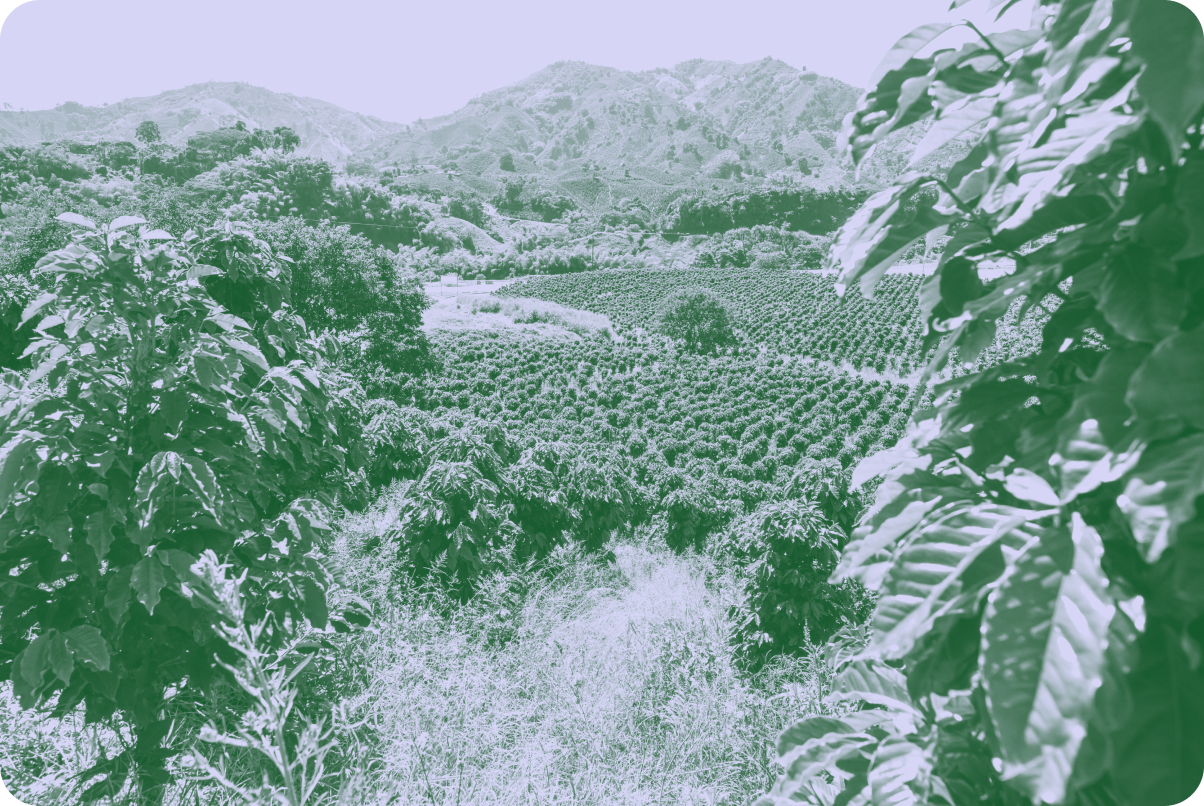
As you sip on the new Rising Tide Collection, why not dive deeper into the world of Colombian coffee? We’ve put together a great mix of podcasts, articles, and videos to pair with your cup, specifically curated for the two coffees in the first drop of Rising Tide: The Nestor Lasso Anaerobic Natural and the Luz Helena Salazar Ají Bourbon.
Listen to the inspiring stories of Colombian women coffee farmers, explore unique coffee processing methods, and soak up the rich coffee culture of Colombia. It’s like a mini-escape with every sip. Enjoy the journey!

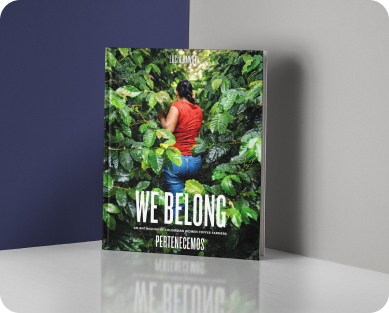
Creator, photographer and author Lucia Bawot has given us a rare and insightful look into the lives of women coffee growers and coffee pickers with her book, We Belong: An Anthology of Colombian Women Coffee Farmers. Lucia shares that this book started off as just a photography book, but as she met with more and more women and learned about their lives, she realized that she needed to add their stories to the book, and redefine who gets to be a protagonist in the story of coffee production.
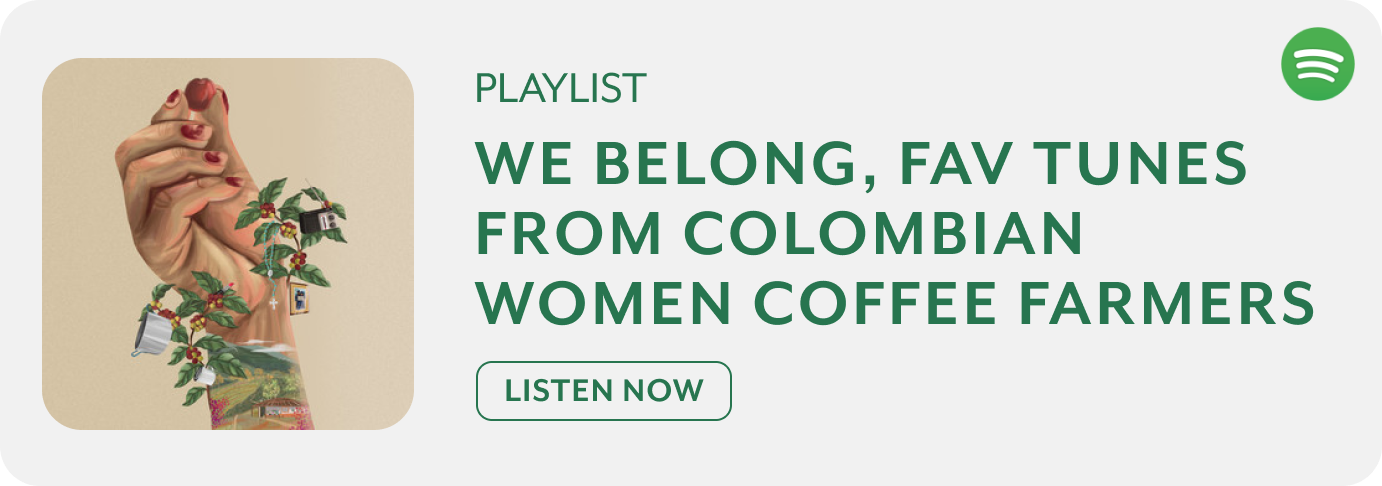
To complement this, she has also curated a Spotify playlist featuring favorite tunes from Colombian women coffee farmers: We Belong: Fave Tunes from Colombian Women Coffee Farmers.
Lucia (yes, another Lucia!) studied Viticulture and Enology at UC Davis and trained as a winemaker in the Napa Valley. Today, she is a fermentation and coffee processing specialist with years of experience working with coffee producers throughout Latin America. She has many amazing podcasts, but we narrowed it down to these two for their connection with this Rising Tide drop:


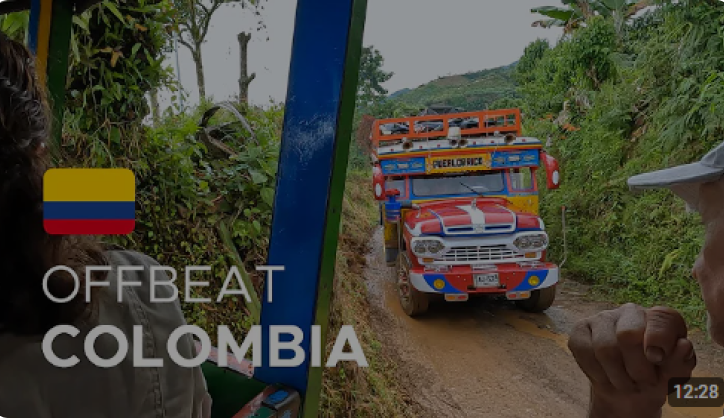
This is a great intro to a Colombia coffee growing region. Marek travels to Zona Cafetera, the coffee zone (also known as the coffee triangle), stopping in various coffee towns including Jerico, Jardin, Salamina, Pijao, and Filandia.
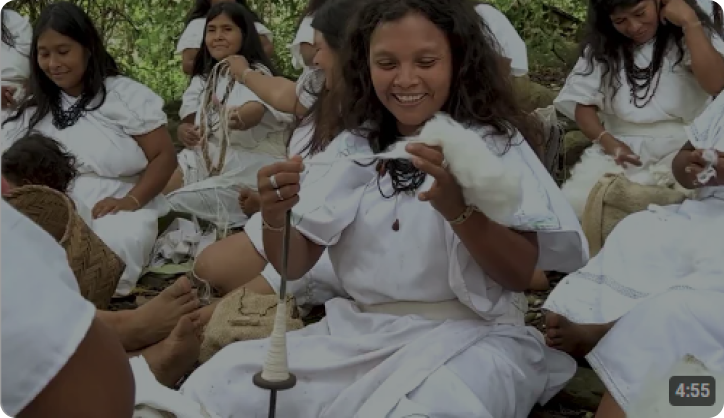
The indigenous Seykún community in Colombia’s Sierra Nevada de Santa Marta came down the mountain from isolation in 2016 to find the mountain had been burned to graze cattle. This is the story of their rebuilding of ancestral land as they buy it back, piece by piece. They also just started growing coffee under the name AsoSeykún.
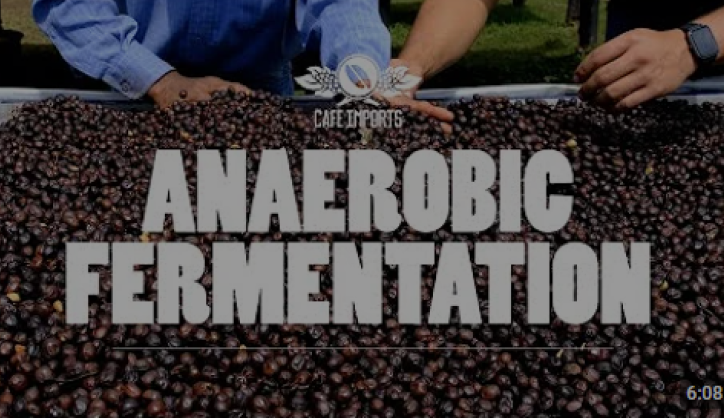
Though much of the processing experimentation and innovation we’re seeing is coming out of Colombia these days, anaerobic fermentation was actually pioneered in Costa Rica. This is a great basic overview of what anaerobic processing means in the context of the rest of what happens in coffee fermentation, by following a Costa Rican farmer through the steps of processing.
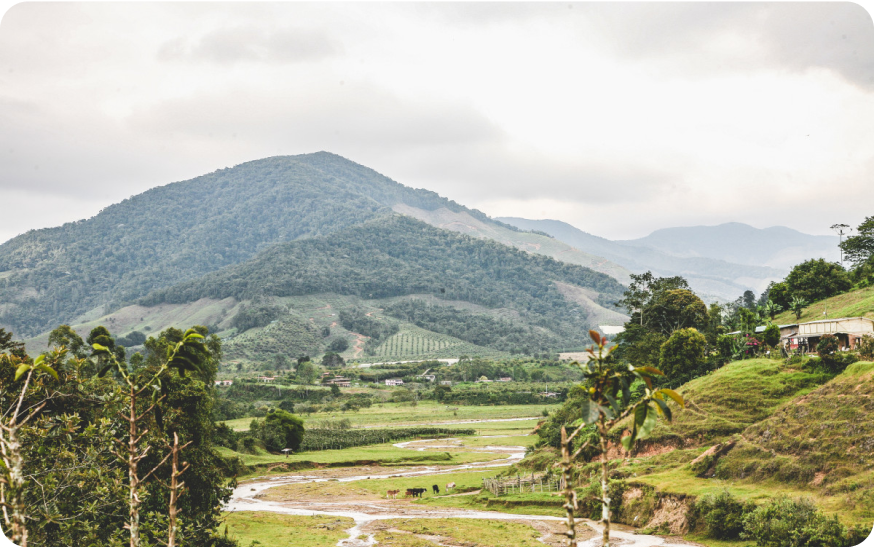
This quick read from our importer partner The Coffee Quest’s blog gives a brief history of the chiroso varietal, when it was discovered, and by whom!
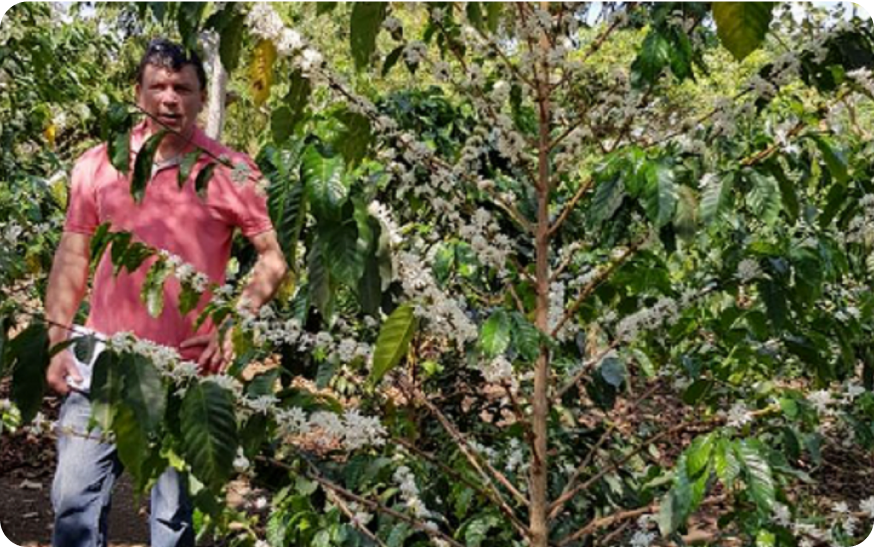
After José Salazar won 6th place using what was entered as the “Ají (chili) Bourbon” varietal in the 2021 Cup of Excellence, the international Specialty Coffee Association asked genetics research company RD2 to look into it - they revealed that this winning plant was actually an Ethiopian Landrace varietal and not a Bourbon at all! Check out this resource to learn why coffee genetics are important, and how coffee varieties are related.
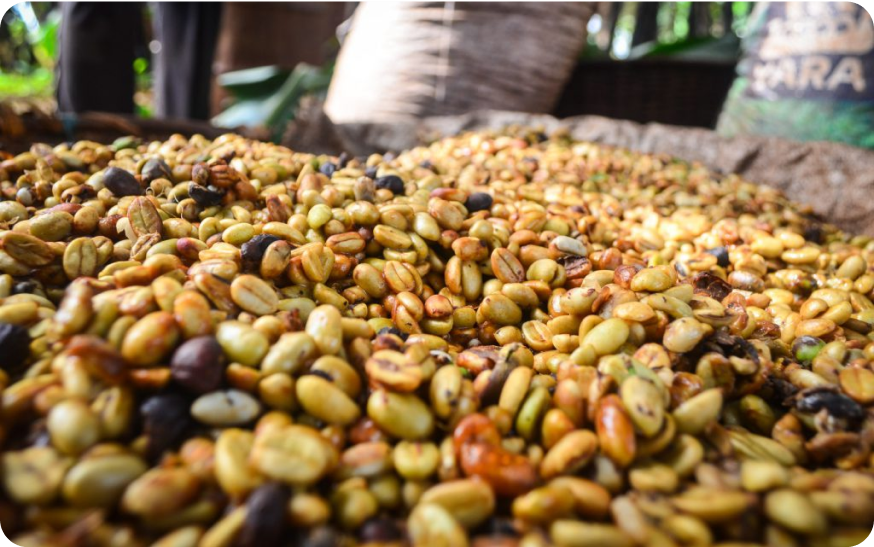
Perfect Daily Grind collects tips on how best to approach brewing an anaerobic processed coffee.
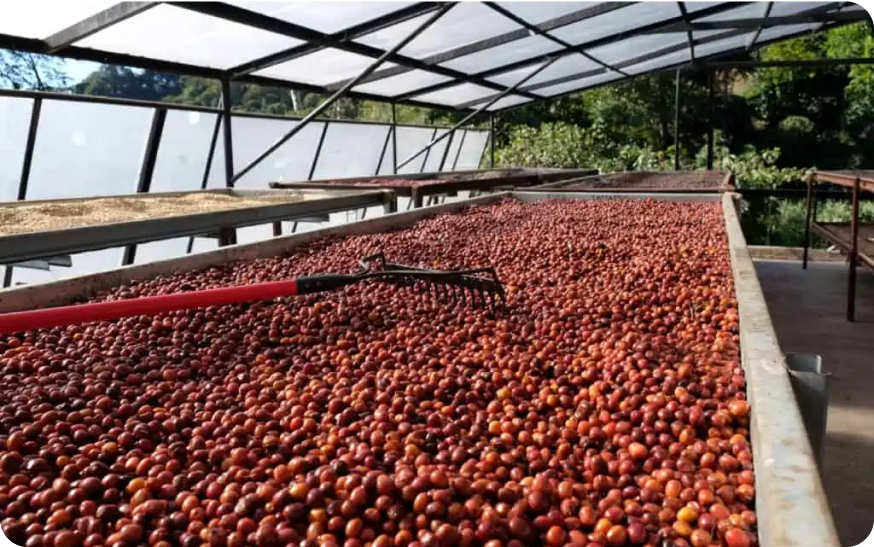
In this article, Kenneth Davids talks through his first experience in grading anaerobic-processed coffees: “We avoided asking ourselves, “is this a fine coffee in the way we already understand coffee?” Rather, we asked ourselves: “Is this an exciting and inherently pleasing variation on the sensory possibilities of coffee?”